

Blue Origin’s New Glenn reached orbit for the first time on January 16, 2025, a major milestone for a company founded back in 2000. The catch is that SpaceX had already completed 96 orbital launches in 2023 alone, which shows why this comparison is no longer just about ambition.
If you are comparing rockets for launch reliability, space tourism, lunar landers, future Mars plans, or simple bragging rights, the answer is clear: SpaceX is ahead. Blue Origin is improving, but SpaceX has turned reusable orbital rockets into an operating business.
Blue Origin — What It Does Best
Blue Origin’s biggest strength is patience. Jeff Bezos founded the company in 2000, two years before Elon Musk founded SpaceX, and Blue has always presented itself as a long-horizon space infrastructure company rather than a launch-frequency machine.
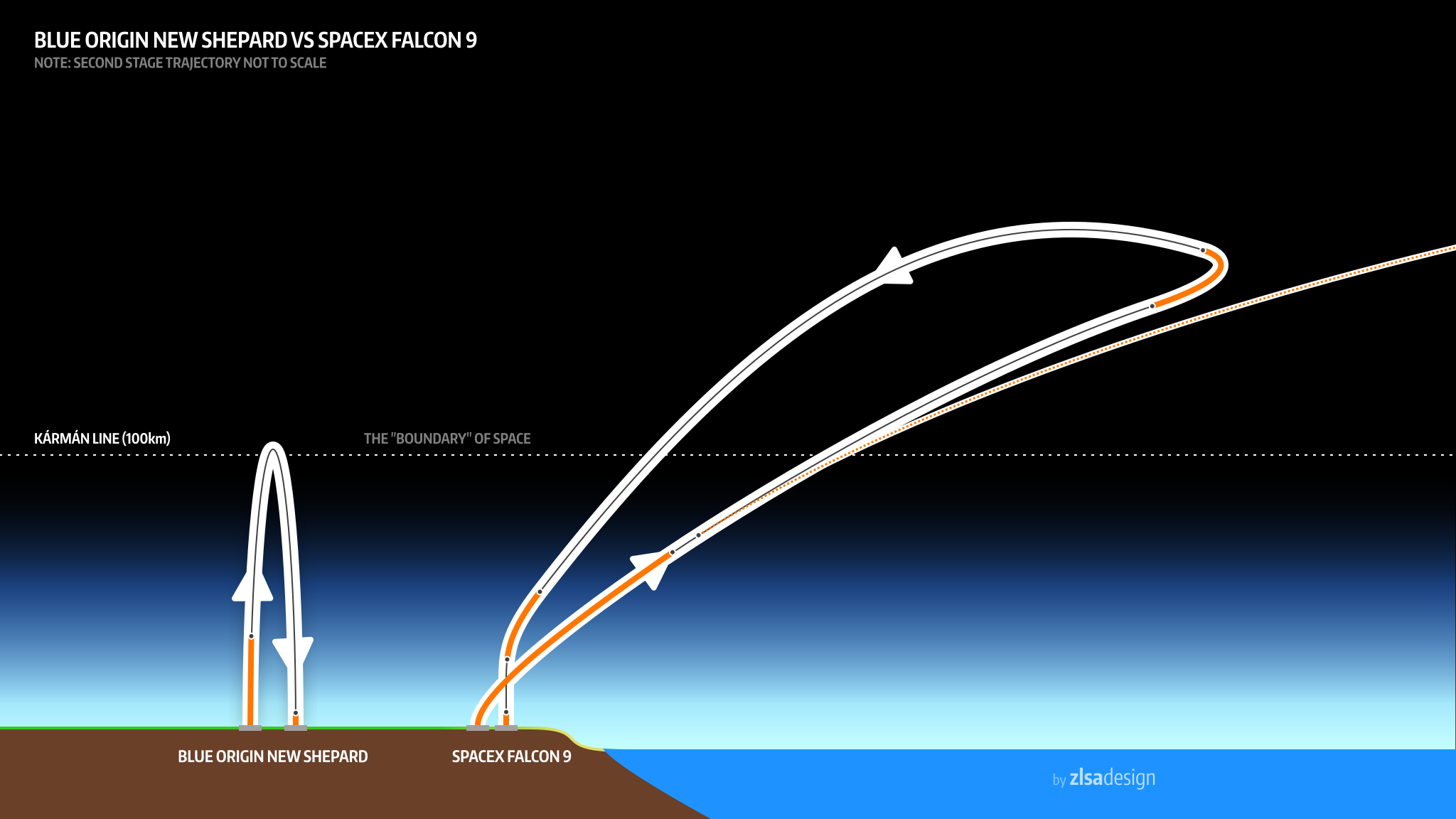
Its best-known operational rocket is New Shepard, a reusable suborbital system designed to carry people and research payloads above the edge of space. New Shepard does not go into orbit, but it has demonstrated vertical takeoff, vertical landing, and crewed tourism flights, including the first human flight in 2021.
Blue Origin also matters because of its engines. The BE-4 methane-fueled engine powers Blue Origin’s New Glenn and United Launch Alliance’s Vulcan rocket, which gives Blue a role beyond its own launch vehicles. Vulcan’s first flight in January 2024 made BE-4 more than a prototype story.
- Best for suborbital tourism: New Shepard is purpose-built for short crewed flights to the edge of space.
- Strong engine program: BE-4 gives Blue Origin influence even outside its own rocket fleet.
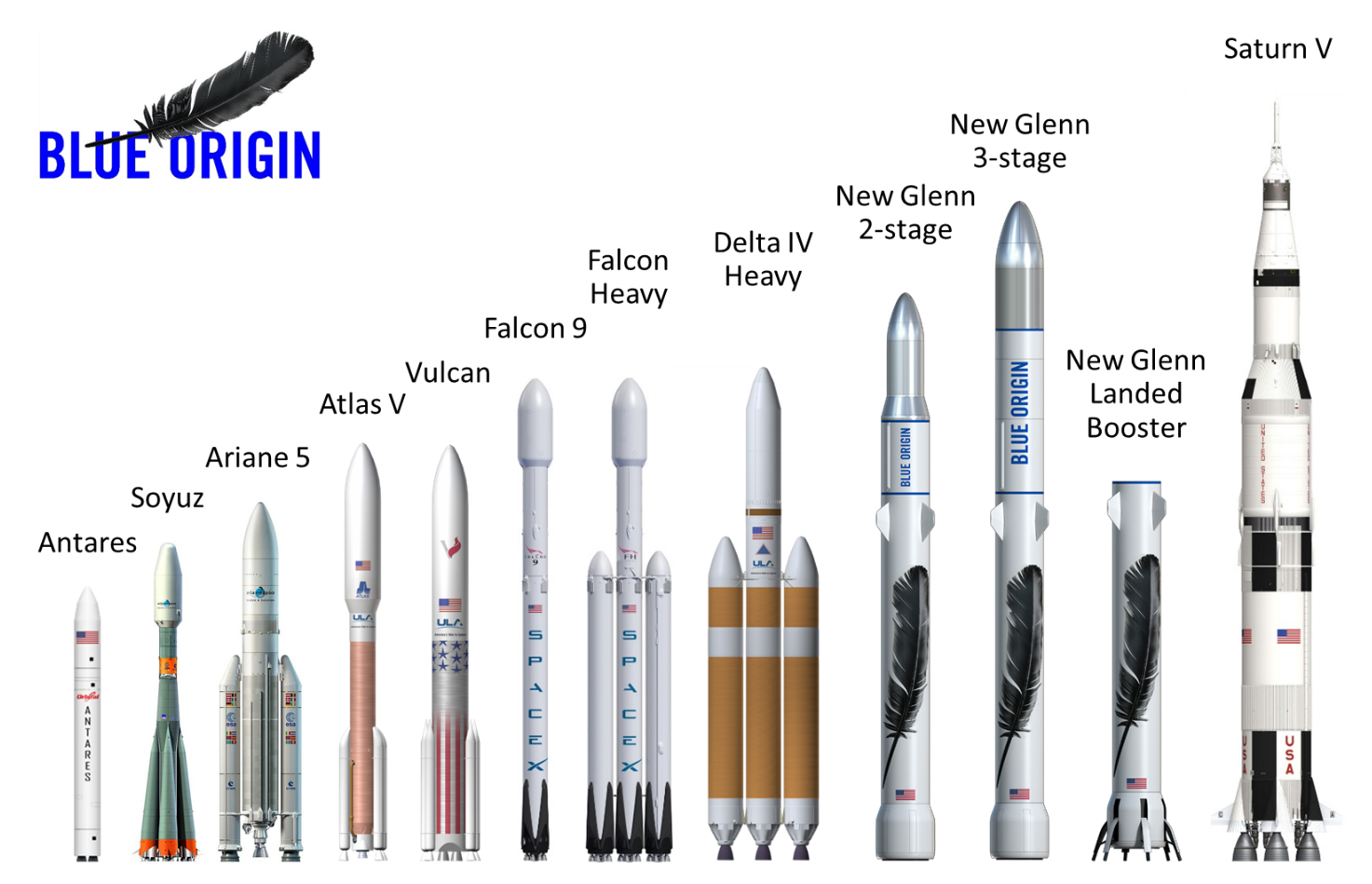
- New Glenn is finally orbital: The 98-meter-class heavy-lift rocket reached orbit in 2025.
- Lunar ambitions are serious: Blue Origin leads the Blue Moon lunar lander effort for NASA’s later Artemis missions.
Blue Origin’s main weakness is simple: it has not yet shown the launch cadence, booster reuse at orbital scale, or customer delivery rhythm that SpaceX has already normalized.
SpaceX — What It Does Best
SpaceX is the clear leader in operational orbital rocketry. Founded in 2002, it flew Falcon 1 to orbit in 2008, launched Falcon 9 in 2010, and turned Falcon 9 booster recovery from an experiment into a routine part of the business.
The Falcon 9 is the decisive advantage. It launches satellites, NASA astronauts, cargo missions, national security payloads, and Starlink batches. By making reuse normal, SpaceX changed launch economics in a way Blue Origin has not yet matched.
SpaceX also has the broadest rocket ladder. Falcon 9 handles routine orbital missions, Falcon Heavy carries larger payloads, Crew Dragon transports astronauts, and Starship is being developed as a fully reusable super-heavy system. Starship is not yet the finished product SpaceX wants, but its test program is already reshaping expectations for payload size and rapid iteration.
- Best launch record: SpaceX has hundreds of successful orbital Falcon 9 missions.
- Proven orbital booster reuse: Falcon 9 first stages have flown repeatedly, with some individual boosters reaching double-digit flights.
- Strongest customer base: NASA, the U.S. military, commercial satellite firms, and Starlink all feed SpaceX launch demand.
- Most aggressive development pace: Starship testing shows a faster build-test-fly culture than Blue Origin’s approach.
SpaceX’s main weakness is execution risk at the frontier: Starship is ambitious, loud, expensive to test, and still has to prove routine reusability and mission readiness.
Which Should YOU Choose?
For the budget user: Choose SpaceX. If the question is “who can put payloads into orbit more affordably and more often,” Falcon 9 is the safer answer because it has high flight cadence, reused boosters, and a massive internal customer in Starlink.
Blue Origin may become price-competitive with New Glenn, especially for larger payloads, but price promises matter less than proven launch availability. A lower theoretical cost is not enough if the rocket has limited flight history.
For the power user: Choose SpaceX again. If you need heavy payload capability, interplanetary ambition, cargo frequency, and a demonstrated NASA record, SpaceX has the stronger portfolio.
Falcon Heavy can send large payloads beyond low Earth orbit, and Starship is designed for far more capacity if it reaches operational maturity. New Glenn is a serious heavy-lift rocket, but it still needs a track record of repeat flights, fairing recovery, booster recovery, and customer missions.
For the beginner or space tourist: Blue Origin is the better fit if your goal is a short, suborbital human spaceflight experience. New Shepard is simpler to understand: go up, cross the space boundary region, experience a few minutes of weightlessness, and return.
SpaceX is the better beginner choice only if you are interested in orbital spaceflight, NASA missions, or the broader future of Mars and Starship. Blue Origin is more accessible conceptually for tourism, while SpaceX is better for serious orbital capability.
One counter-intuitive trade-off: Blue Origin may be easier to trust for a cautious tourist because New Shepard is a dedicated suborbital vehicle, while SpaceX’s most exciting work is tied to much harder orbital and deep-space engineering. The safer “better company” answer is SpaceX, but the simpler “first space experience” answer can be Blue Origin.
If you like comparison-style decision guides, the same logic applies outside space: separate proven performance from fan loyalty. That is the same approach used in pieces like KKR vs MI IPL 2026 Match 65 Preview: Prediction, Playing XI & Head-to-Head | Wednesday and RR vs LSG IPL 2026 Match 64 Preview: Prediction, Playing XI & Head-to-Head | Tuesday.
Final Verdict — pick a winner, state why, give a recommendation
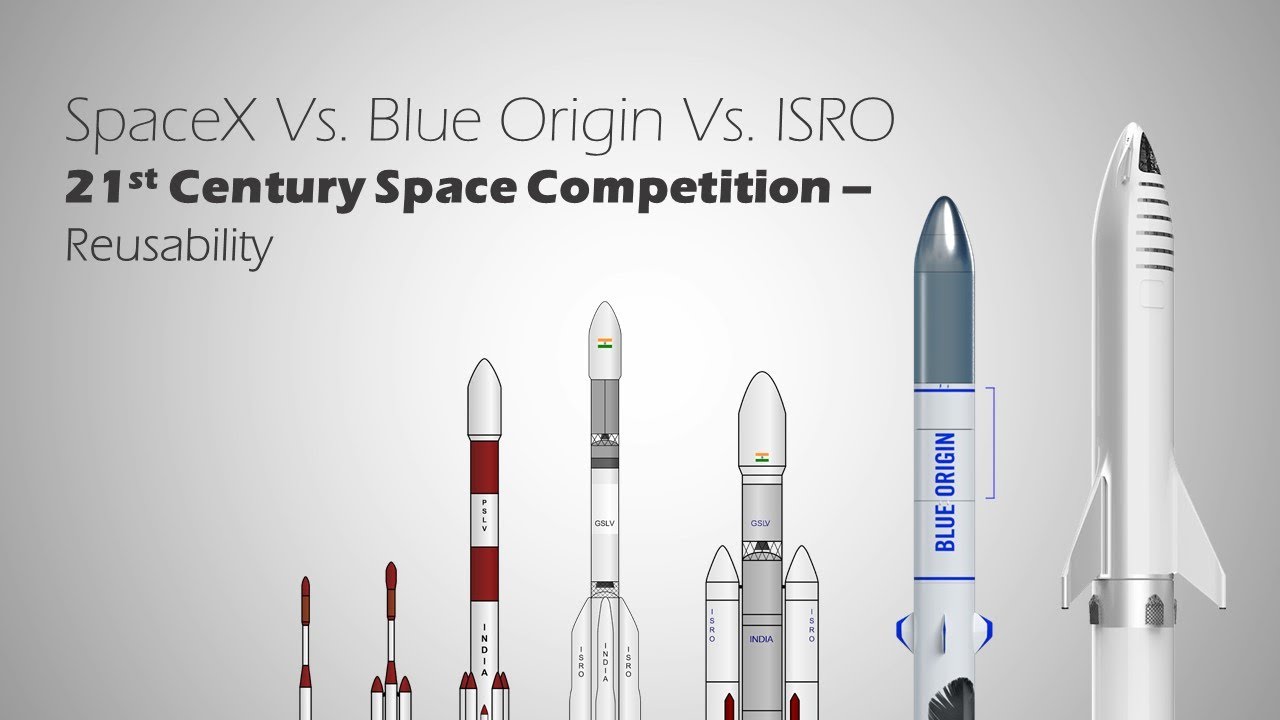
SpaceX is the winner in 2026. It has the better rocket family, the better launch record, the better reuse record, and the stronger commercial flywheel through Starlink, NASA, and national security contracts.
Blue Origin deserves credit for New Shepard, BE-4, New Glenn’s orbital debut, and its lunar lander ambitions. It is no longer fair to dismiss Blue Origin as only a suborbital tourism company, especially after New Glenn reached orbit.
Still, the gap is large. SpaceX has already made reusable orbital launch routine, while Blue Origin is just beginning to prove that it can operate at orbital scale. If you are choosing the stronger rocket company overall, choose SpaceX.
My recommendation: pick SpaceX for orbital launches, satellite deployment, heavy missions, NASA-style credibility, and long-term Mars potential. Pick Blue Origin only if your main interest is suborbital tourism, BE-4 engine development, or a longer-term bet on lunar infrastructure.
FAQ
Is SpaceX or Blue Origin better?
SpaceX is better overall because it has a proven orbital launch business, reusable Falcon 9 boosters, Crew Dragon, Falcon Heavy, and the Starship program. Blue Origin is important, but it has not matched SpaceX’s launch frequency or operational record.
Blue Origin vs SpaceX rockets size: which has bigger rockets?
SpaceX has the biggest rocket system with Starship and Super Heavy at about 121 meters tall. Blue Origin’s New Glenn is also large at about 98 meters tall, while Falcon 9 is about 70 meters and New Shepard is much smaller because it is suborbital.
Blue Origin vs SpaceX net worth: which company is more valuable?
SpaceX is the easier company to value because it has active private-market estimates; it was reportedly valued around $350 billion in 2024. Blue Origin is privately held by Jeff Bezos and does not have the same transparent market valuation, so comparing “net worth” usually confuses company value with founder wealth.
Blue Origin vs SpaceX lander: who is ahead on the Moon?
SpaceX won NASA’s first Human Landing System contract for Artemis III using a Starship-based lander. Blue Origin later won a major NASA contract for its Blue Moon lander for a later Artemis mission, so SpaceX is ahead on first selection and development visibility, while Blue Origin remains a serious lunar competitor.
SpaceX vs Blue Origin vs Virgin Galactic: how do they differ?
SpaceX is mainly an orbital launch and spacecraft company. Blue Origin does suborbital tourism, engines, heavy-lift rockets, and lunar systems, while Virgin Galactic focuses on suborbital spaceplane tourism rather than orbital rocket launches.

*Affiliate link — we may earn a small commission at no extra cost to you.
Education journalist covering competitive exams, board results, and career transitions in India. Her CBSE and higher education coverage has helped thousands of students navigate admissions.