
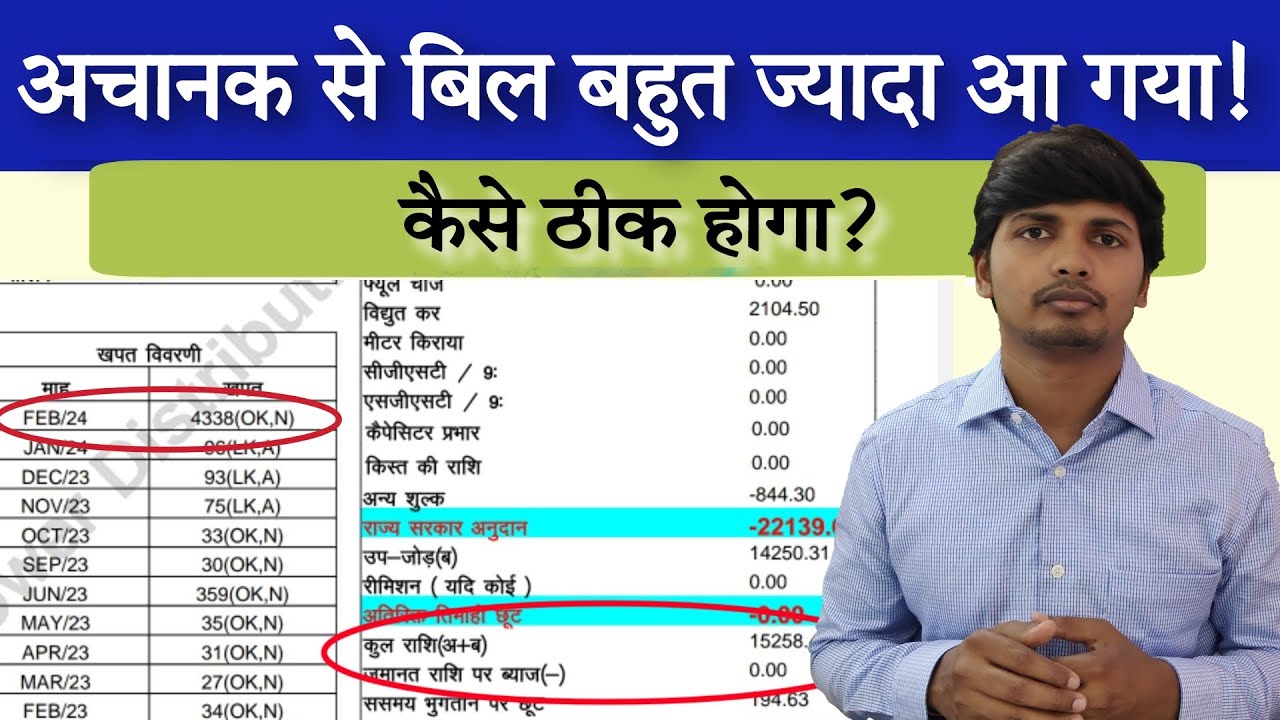

Meter Ne Jump Mara? High Electricity Bill Ko 48 Hours Mein Handle Karne Ka Desi Playbook
2021 mein RDSS scheme launch hui thi jiska outlay ₹3,03,758 crore hai, aur target around 25 crore prepaid smart meters lagane ka hai. Matlab 2026 tak India mein billing ka style fast change ho raha hai, par galat bill, wrong reading aur sudden arrears wali problem abhi bhi real hai.
Agar aapka usual bill ₹1,200 aata tha aur is month ₹7,800 aa gaya, to panic mein full payment mat karo. Pehle bill ko diagnose karo, complaint register karo, aur due date close ho to sirf safe/provisional amount pay karke disconnection risk manage karo.
1. Pehle Ye Samjho: Bill High Hai Ya Bill Galat Hai?
High bill aur wrong bill same cheez nahi hote. High bill tab hota hai jab usage sach mein badh gaya ho, jaise AC, heater, motor, geyser, fridge compressor issue ya long billing cycle. Wrong bill tab hota hai jab meter reading galat enter ho, old arrears add ho jaye, meter multiplier mismatch ho, ya average billing ko actual reading ke saath adjust kar diya gaya ho.
Sabse pehle apne bill ka “units consumed” dekho. Agar pichle 3-6 months mein aap 180-220 units use kar rahe the aur is baar 650 units dikh raha hai, to reason nikalna zaroori hai. Sirf amount mat dekho, kyunki tariff slab badalte hi per unit rate jump kar sakta hai.
Ek common trap hai billing cycle length. Kai baar bill 30 din ka nahi hota, 45 ya 60 din ka hota hai. Agar units double lag rahe hain, pehle check karo bill period kitne days ka hai. Long cycle ki wajah se aap higher slab mein chale jaate ho, aur amount disproportionate lagta hai.
2026 ke angle se ek aur cheez important hai: smart meter/prepaid meter. Smart meter mein daily consumption app par dikhta hai, par kabhi-kabhi recharge adjustment, old dues migration, security deposit adjustment ya tariff category mapping ki wajah se balance shock mil sakta hai. Isliye smart meter ka high deduction hamesha “meter fast hai” ka proof nahi hota.
Meri clear recommendation: agar bill 2x se zyada jump kare aur usage pattern same ho, to full payment se pehle complaint file karo. Ignoring risky hai, par blindly full pay karna bhi galti hai. Electricity Act, 2003 ke Section 56 ke under non-payment par disconnection se pehle generally 15 din ka notice required hota hai, isliye aapke paas action lene ka window hota hai.
2. 48-Hour Action Plan: Kya Check Karna Hai, Kahan Complaint Karni Hai
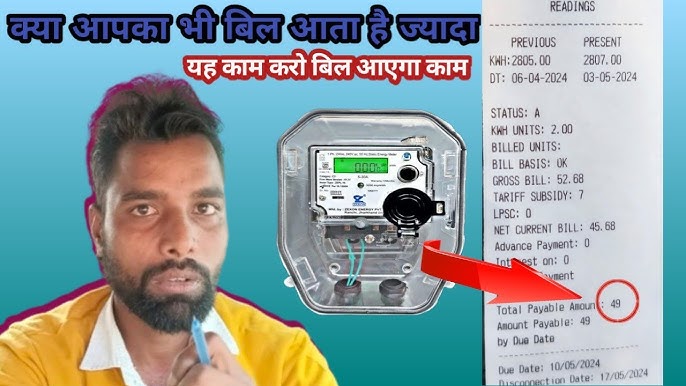
High electricity bill ko handle karne ka best tareeka emotional nahi, documentary hona chahiye. Aapko proof banana hai: bill screenshot, meter photo, previous bills, complaint ID aur payment receipt. Ye sab baad mein adjustment ke time kaam aata hai.
Yeh step-by-step plan follow karo:
- Meter reading match karo: Bill par current reading likhi hoti hai. Apne meter ki current reading ka clear photo lo, jisme meter number bhi dikh raha ho. Agar bill reading meter se zyada hai, strong case ban jata hai.
- Consumer number aur meter number verify karo: Kabhi-kabhi tenant change, flat numbering, society meter ya wrong tagging ki wajah se bill kisi aur ka attach ho jata hai.
- Billing days dekho: 29-32 days normal hai. 45-60 days ka bill higher slab mein push kar sakta hai. Is case mein amount high hoga, par necessarily wrong nahi.
- Arrears/adjustment line check karo: Bill mein “arrear”, “sundry charges”, “FPPCA/FCA”, “adjustment”, “security deposit”, “meter rent” jaise words dekho. Kabhi actual current month low hota hai, par old adjustment bill ko heavy bana deta hai.
- Tariff category check karo: Domestic connection galti se commercial category mein map ho gaya to bill bahut high aa sakta hai. Especially home office, shop-attached-house ya rented property mein ye issue hota hai.
- Complaint 1912 par register karo: 1912 national electricity consumer helpline type number ke through complaint register hoti hai. Saath mein state DISCOM portal/app par bhi complaint daalo, kyunki written digital record stronger hota hai.
- Due date close ho to provisional payment karo: Agar disconnection ya late fee ka risk hai, to pichle 3 months ke average ke aas-paas payment karo aur complaint note mein clearly likho: “Bill under dispute, provisional payment made.”
Agar aap AC heavy use karte ho, to pehle apni consumption reality bhi check karo. Summer mein 1.5 ton AC daily 8-10 hours chale to units naturally jump kar sakte hain. Practical usage control ke liye aap Garmi Mein Bijli Bill Kam Karne Ka Smart Routine: AC Band Nahi, Usage Smart Karo padh sakte ho.
Numbers ka simple thumb rule: 1 unit ka matlab 1 kWh. Agar 1000 watt ka appliance 1 hour chale, to 1 unit consume hoti hai. 2000 watt geyser 30 minutes chale to bhi roughly 1 unit. Isliye geyser, iron, induction, heater aur old AC bill ke silent killers hote hain.
AC users ke liye ek counter-intuitive point: AC ko baar-baar on-off karna hamesha saving nahi deta. Stable temperature, clean filter, 24-26°C setting aur fan support zyada practical hai. Detailed AC-specific planning ke liye AC Bill Diet Plan 2026: Garmi Mein Thandak Full, Meter Slow useful rahega.
3. Ye Mistakes Mat Karna, Warna Refund/Correction Slow Ho Jayega
Mistake 1: Sirf customer care par bolkar ruk jaana. Phone complaint achhi hai, par complaint number mandatory hai. Agar 1912 par call kiya aur ID nahi li, to aapke paas proof nahi. App, email ya portal complaint ka screenshot bhi save karo.
Mistake 2: Full bill pay karke baad mein correction expect karna. Kabhi-kabhi adjustment next cycle mein milta hai, par process slow ho sakta hai. Agar amount genuinely disputed hai, to written complaint ke saath provisional payment better approach hai. Full payment tab karo jab issue small ho ya aapko reading correct lag rahi ho.
Mistake 3: Meter testing request late karna. Agar meter fast lag raha hai, to DISCOM se meter testing ka written request do. Testing ke liye kuch states mein nominal fee/security lag sakti hai, jo meter faulty nikle to adjust ho sakti hai. Rules state-wise vary karte hain, par written request ke bina meter fault prove karna tough hai.
Mistake 4: Tenant-landlord confusion ignore karna. Rented house mein old dues sabse common headache hai. New tenant shift karne se pehle previous paid bill aur meter reading photo lena mandatory rakho. Landlord ko bolo final reading ke saath handover note sign kare.
Mistake 5: Solar/net-metering bill ko normal bill jaisa read karna. Rooftop solar wale consumers ke bill mein import units, export units, net units aur banking adjustment hota hai. Agar solar generation app 300 units dikha raha hai aur bill high aa gaya, to check karo net meter properly export record kar raha hai ya nahi. Solar inverter data aur DISCOM net meter reading dono compare karo.
Mistake 6: “Average bill” ko ignore karna. Agar meter reader nahi aaya, locked premises tha ya meter inaccessible tha, to average bill generate ho sakta hai. Jab actual reading capture hoti hai, to accumulated units ek saath bill ho jaate hain. Isse bill sudden high lagta hai, par root cause previous months ki estimated billing hoti hai.
Mistake 7: Slab shock samjhe bina complaint karna. India mein domestic tariff generally slab-based hota hai. Example: 0-100 units low rate, 101-200 higher, 201-400 aur higher. Agar aap 199 units se 310 units par chale gaye, amount sirf units ke ratio se nahi badhega; slab rate aur fixed charges bhi impact karenge.
Mistake 8: Appliance fault check na karna. Old fridge ka compressor continuous run kar raha ho, water motor auto-cut off na ho, geyser thermostat faulty ho, ya AC gas/filter problem ho to usage real mein badh sakta hai. Smart plug ya clamp meter se high-load appliances ka quick audit karna worth it hai.
Summer months mein agar aapko lagta hai bill correct hai par control chahiye, to AC usage ko budget ke saath plan karo. Iske liye Summer 2026 AC Budget Plan: Thandak Full, Bijli Bill Control Mein ek practical guide hai.
Ek regional nuance bhi yaad rakho: complaint escalation state-to-state alag hota hai. Usually pehle DISCOM complaint, phir sub-division/SDO office, phir Consumer Grievance Redressal Forum yani CGRF, aur finally Electricity Ombudsman ka route hota hai. Agar 15-30 din mein resolution nahi milta, to apne state electricity regulatory commission ki website par CGRF/Ombudsman process check karo.
Aapka final action simple hona chahiye: same day meter photo lo, 24 hours mein complaint file karo, due date se pehle provisional payment karo, aur 7 days mein follow-up karo. Agar meter reading wrong hai to correction demand karo; agar meter faulty doubt hai to testing request do; agar bill correct hai to usage reduction plan start karo.
Bijli bill zyada aa gaya to ghabraane ki zaroorat nahi, par casual rehna bhi mehenga padega. Aaj hi apna latest bill kholo, units aur reading match karo, 3 old bills compare karo, aur agar jump unexplained hai to complaint number generate karo. Proof ke saath consumer strong hota hai.

*Affiliate link — we may earn a small commission at no extra cost to you.
Bilingual fintech writer covering credit cards, UPI, and personal finance for readers across India and Brazil. Holds a postgraduate degree in Economics. Believes financial literacy belongs to everyone, regardless of language.