
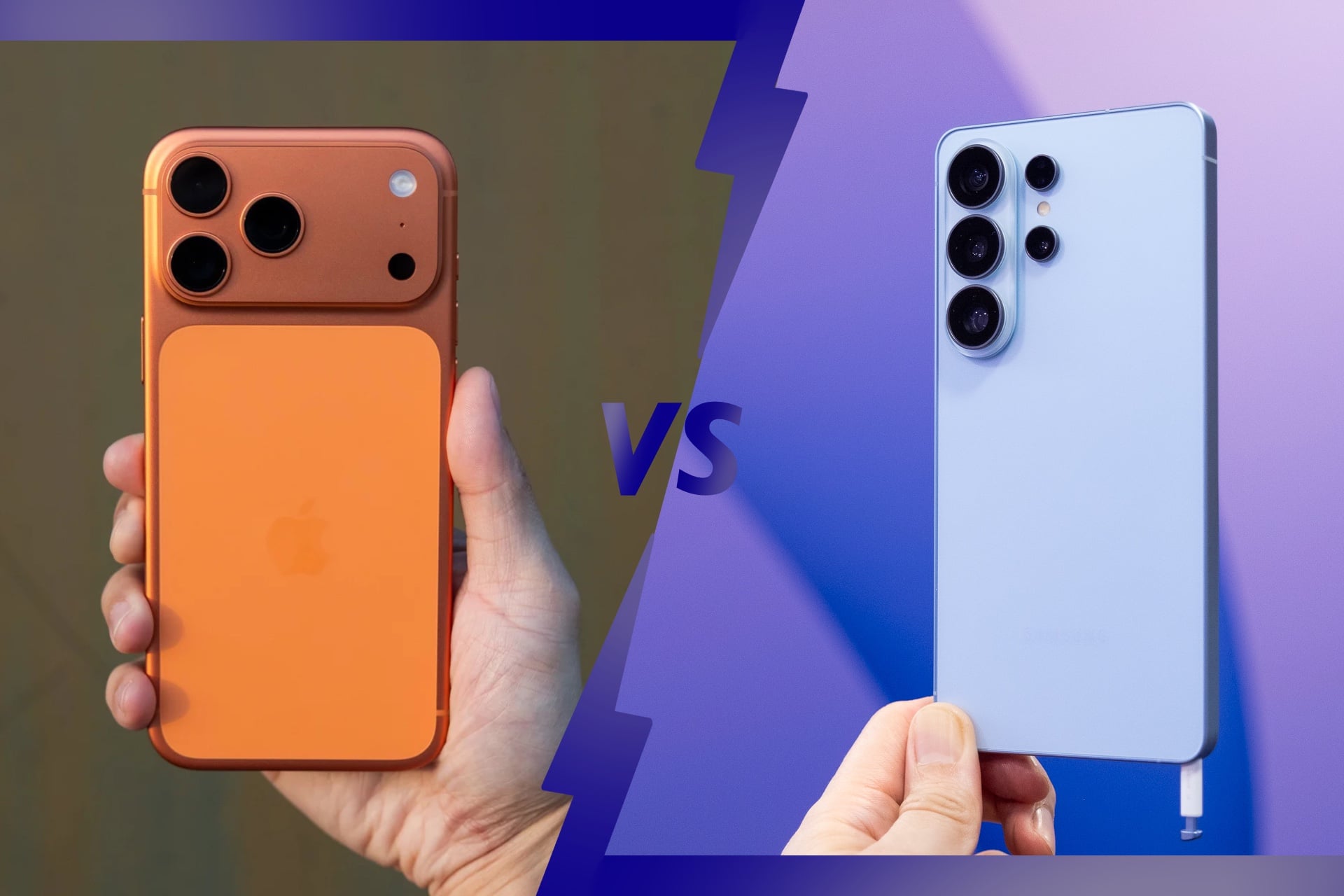

Apple added RCS messaging to iOS 18 in 2024, and that one change made the iPhone 17 a more realistic option for long-time Android users than any previous base iPhone. If you already own an iPad but have always carried a Samsung phone, this is the year the choice is no longer obvious.
The real question is not whether the Galaxy S26 or iPhone 17 has the longer spec sheet. It is which base flagship gives you fewer regrets after two or three years of photos, battery aging, trade-ins, group chats, and daily app use.
Samsung Galaxy S26 — What It Does Best
| Feature | Option A | Option B |
|---|---|---|
| Model being compared | Samsung S26 | iPhone 17 |
| Variant | Base model, not Ultra | Base model, not Pro |
| Camera | Not stated in snippets | Definitely has better camera |
| 3x zoom | Not stated in snippets | Lacks 3x zoom |
| Pictures/videos | Motion blur and pale pictures/videos mentioned | Not stated in snippets |
| Overall impression | Safe choice | Very nice phone; adventurous choice |
The Galaxy S26 is the safer pick for anyone who has used Samsung for years and does not want to relearn basic phone habits. You keep Android’s file system flexibility, Samsung’s multitasking tools, deeper home-screen control, and easy compatibility with USB-C accessories, Windows PCs, and Google services.
Samsung also gives the base S26 a practical camera advantage that matters more than many spec charts admit: zoom. While the iPhone 17 is widely praised for photo and video quality, the regular iPhone still lacks a dedicated 3x telephoto camera, while Samsung’s base S-series phones have traditionally offered that middle zoom range. If you take pictures of kids on a field, pets across the room, concerts, food menus from your seat, or travel landmarks, that extra optical reach is useful.
The S26 also appeals to people who dislike Apple’s locked-down approach. Samsung DeX, split-screen apps, floating windows, advanced notification controls, Good Lock customization, and more flexible default apps make the S26 feel more like a pocket computer. For power users, that freedom is not cosmetic; it changes how the phone works every day.
- Better Android continuity: ideal if your passwords, apps, launchers, and workflows are already built around Samsung and Google.
- More flexible zoom: the base Galaxy S26 is the better choice if 3x-style framing matters to you.
- More customization: themes, icon layouts, multitasking, notification behavior, and Samsung Good Lock give you far more control.
- Stronger power-user tools: DeX, file handling, side loading options in some regions, and advanced settings are more open than iOS.
The main weakness is that Samsung’s camera processing can be less predictable for motion, especially with kids, pets, and indoor scenes where users often complain about blur or cooler, paler-looking results.
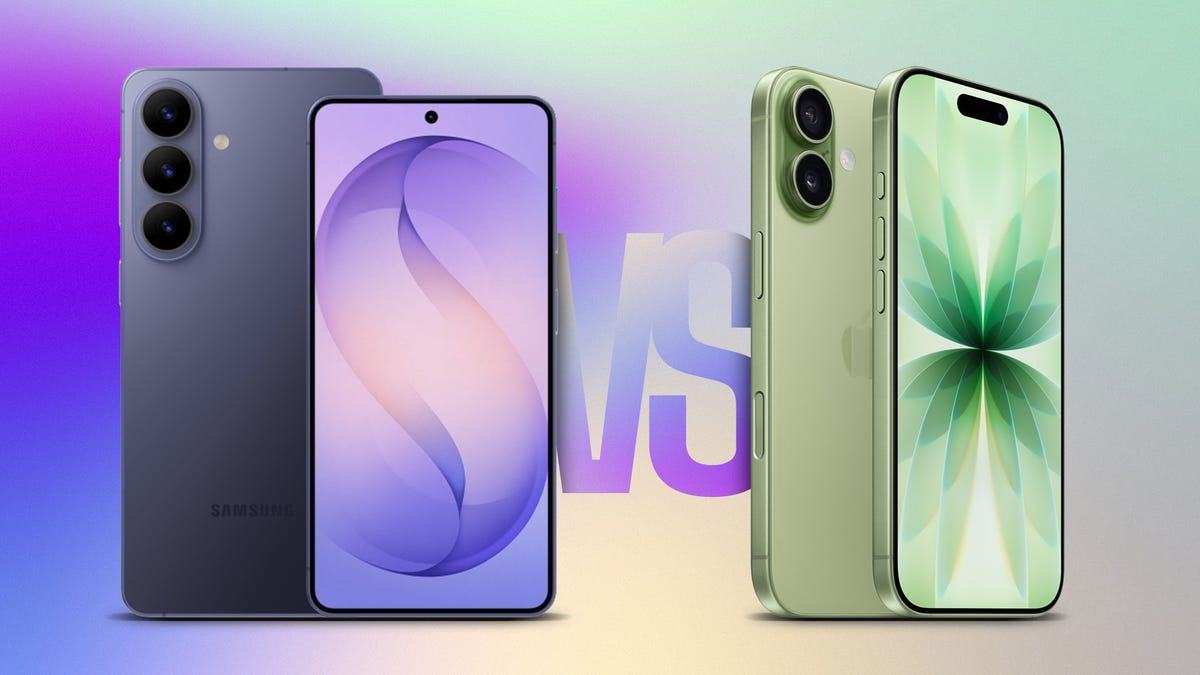
iPhone 17 — What It Does Best
The iPhone 17 wins where most normal buyers feel a phone aging: camera reliability, app polish, resale value, and ecosystem convenience. If you already own an iPad, the iPhone immediately gains extra value through AirDrop, iMessage, FaceTime, shared clipboard, iCloud Photos, Apple Notes, Find My, and app handoff. That matters more than a single benchmark after the first month.
Camera consistency is the biggest reason to choose the iPhone 17. The Galaxy S26 may offer more shooting modes and better zoom reach, but the iPhone is usually the phone that gets the first shot right. Skin tones, focus behavior, live photos, social media capture, and video stabilization tend to be more dependable, especially for moving subjects.
Video is more nuanced. Some S26 comparisons mention up to 8K video at 30 fps on the Samsung side, while the iPhone 17 is commonly compared around 4K capture. Resolution is not the whole story, though. For most people, iPhone footage is easier to share, easier to edit, and more consistent in exposure, audio handling, and app compatibility.
- Better point-and-shoot camera behavior: especially for people, pets, indoor clips, and quick social videos.
- Stronger ecosystem fit: the iPhone 17 is the obvious match if you already use an iPad, AirPods, Apple Watch, or Mac.
- Higher resale confidence: iPhones usually hold value better, which lowers the real cost of ownership.
- Long-term smoothness: iOS updates, app optimization, and chip performance tend to age very well.
The main weakness is that the base iPhone 17 still feels artificially limited next to Pro models, especially because it lacks a dedicated 3x telephoto lens.
Which Should YOU Choose?
Budget user: Buy the iPhone 17 if both phones cost the same upfront. The reason is resale value. Even if the Galaxy S26 has better carrier discounts at launch, the iPhone usually recovers more money when you sell or trade it in two or three years later.
There is one exception: if your carrier offers a much larger Samsung trade-in credit, the S26 becomes the value winner. In the United States, carrier promotions can completely change the math, especially on family plans. In Europe, also check charger, repair, and warranty terms; the EU common charger rule took effect on December 28, 2024, so USB-C convenience is now less of a differentiator than it used to be.
Power user: Buy the Galaxy S26 if you like tuning your phone. Samsung’s multitasking, home-screen control, notification options, file access, and DeX-style productivity tools are better suited to someone who wants the phone to adapt to them. If you use Windows, Google Drive, WhatsApp, and browser-based work tools, the S26 can feel less restrictive.
Buy the iPhone 17 instead if your power use revolves around creative apps, video capture, AirDrop transfers, Apple Notes, iCloud Photos, or iPad workflows. A user who edits clips on an iPad will get more day-to-day convenience from the iPhone 17 than from Samsung’s extra settings.
Beginner or family buyer: Buy the iPhone 17. Apple’s setup process, family sharing tools, Find My network, accessory ecosystem, and store support make it easier for non-technical users. This is especially true if the rest of your family has already moved to iPhone.
If your family is split between Android and iPhone, the gap is smaller than it used to be. RCS arrived on iPhone with iOS 18 in 2024, improving Android-to-iPhone texting with better media sharing, read receipts, and typing indicators where carriers support it. Still, iMessage and FaceTime remain smoother inside an Apple-heavy household.
If you are considering more expensive models, do not treat this base-model comparison as the final word. The Pro and Ultra phones change the equation with bigger batteries, better zoom systems, and more advanced cameras. For that matchup, read iPhone 17 Pro Max vs Samsung Galaxy S26 Ultra: 7 Key Differences Before You Buy.
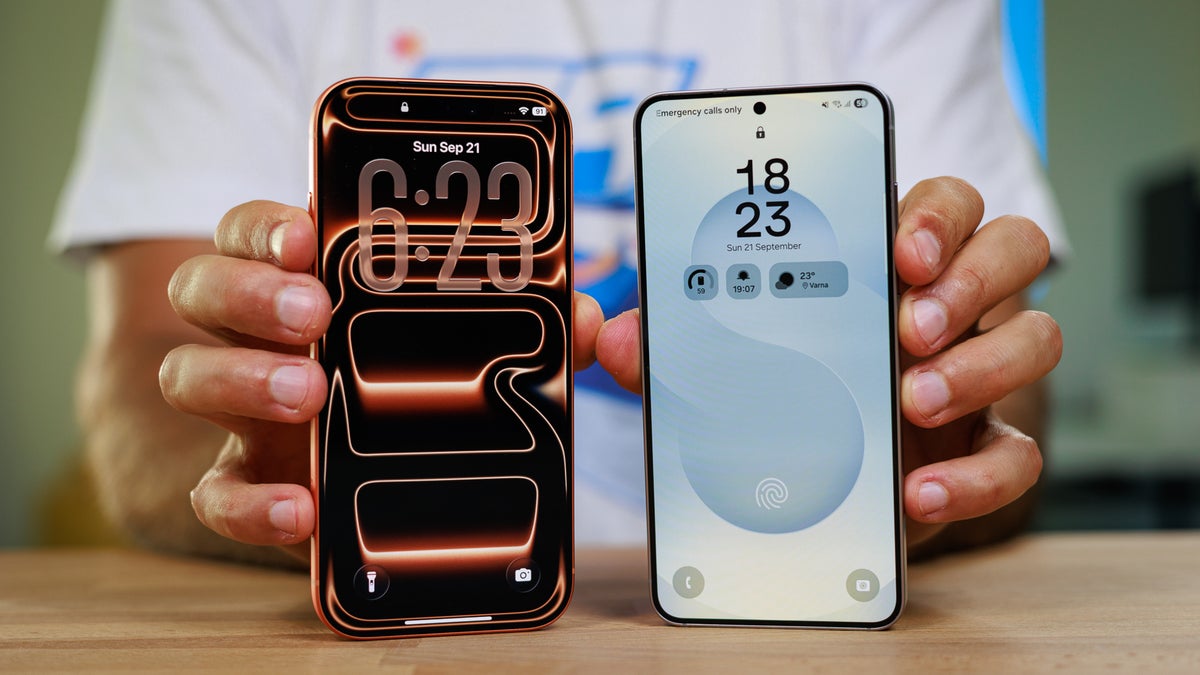
Final Verdict — pick a winner, state why, give a recommendation
The winner is the iPhone 17. For the average buyer choosing between the two base flagships, it is the better long-term purchase because it combines dependable cameras, strong video, excellent app optimization, high resale value, and a major ecosystem advantage if you already own an iPad.
The Galaxy S26 is still the right phone for committed Android users. If you care more about customization, 3x-style zoom, file flexibility, and Samsung-specific features than camera consistency, you should stay with Samsung and feel good about it. The S26 is not a bad choice; it is simply the more specialized choice.
My recommendation is direct: buy the iPhone 17 unless you know exactly why you need Android. If your answer is “I want the easiest phone to live with for the next three to four years,” the iPhone 17 is the smarter base flagship. If your answer is “I want control, zoom, and Android freedom,” buy the Galaxy S26.
For a broader buying breakdown focused only on the standard models, see iPhone 17 vs Samsung Galaxy S26: Which Base Flagship Is Worth Your Money in 2026?. And if you are tempted by a bigger form factor rather than a normal slab phone, compare the trade-offs in 7 Deciding Factors: Samsung Galaxy Z Fold 7 vs Honor Magic V3 in 2026.
FAQ
Which is better, the Galaxy S26 or the iPhone 17?
The iPhone 17 is better for most buyers because it has more reliable everyday camera performance, stronger resale value, smoother Apple ecosystem integration, and excellent long-term software support. The Galaxy S26 is better if you prefer Android customization, Samsung features, and optical zoom flexibility.
Is the Samsung Galaxy S26 camera better than the iPhone 17 camera?
The Galaxy S26 is better for zoom versatility, especially if you want a dedicated mid-range telephoto option on a base model. The iPhone 17 is better for point-and-shoot consistency, motion, skin tones, social video, and quick clips where you do not want to adjust settings.
Should an Android user switch to iPhone 17?
Yes, if you already use an iPad, AirPods, Apple services, or have family members on iPhone. The switch is easier now because RCS support improved Android-to-iPhone messaging in 2024, but you should stay with the Galaxy S26 if you rely on Android-specific customization, file access, or Samsung multitasking.
Is the S26 Ultra better than the iPhone 17 Pro or Pro Max?
That is a different comparison. The S26 Ultra and iPhone 17 Pro Max compete on advanced zoom, battery life, display size, and pro camera features, while this article focuses on the base Galaxy S26 and base iPhone 17. If you are shopping at that higher price tier, compare the Ultra and Pro Max directly before buying.
*Affiliate link — we may earn a small commission at no extra cost to you.
Millennial writer covering everyday money struggles, price hikes, and life in India through a Gen-Z lens. Writes the way real people talk — no jargon, just facts.