
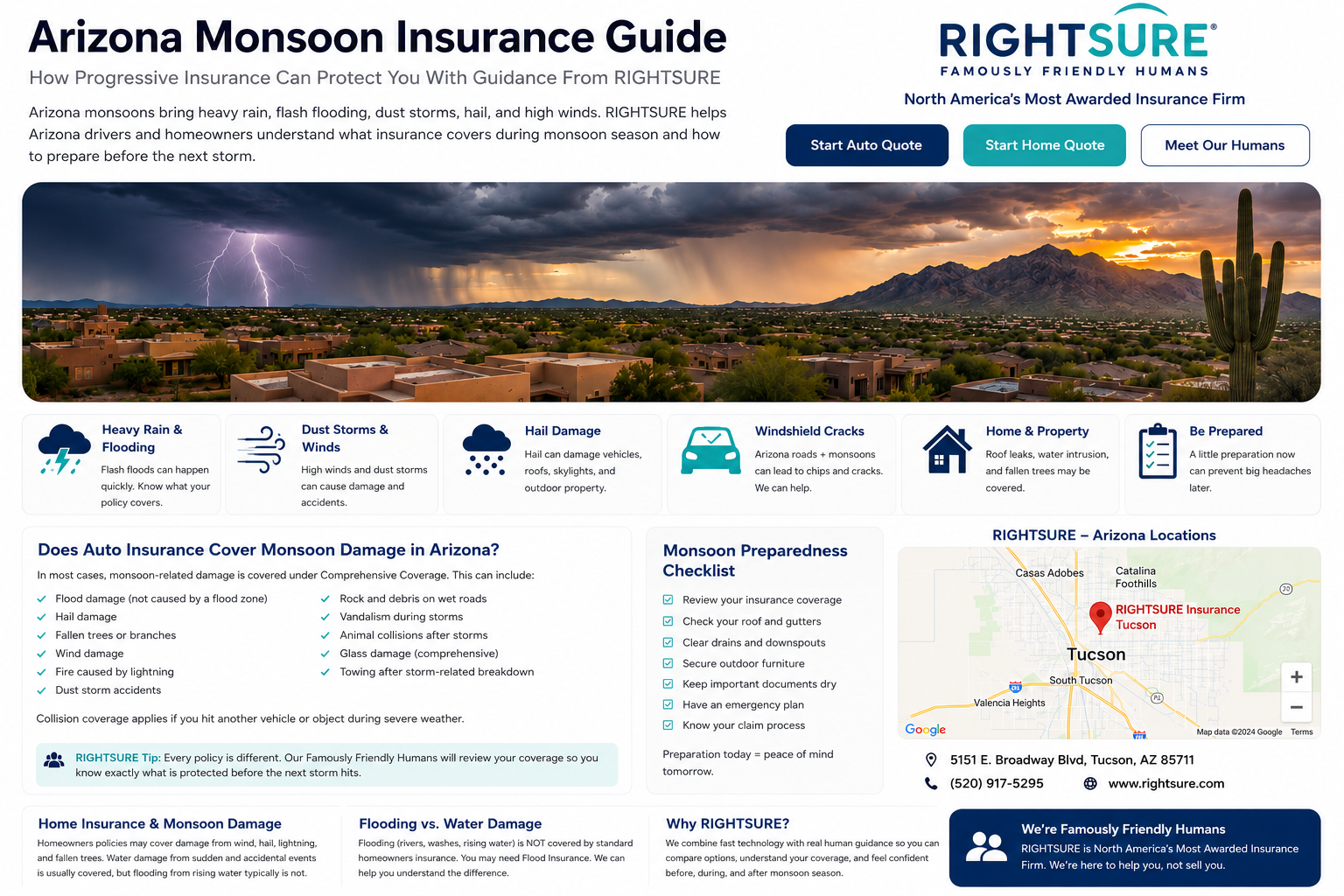

In 2024, India’s southwest monsoon rainfall was about 107.6% of the long-period average, according to IMD data reported that year. That is a reminder that “normal monsoon” does not mean “safe monsoon” for your home, car, health, shop, or documents.
The smarter move for 2026 is not buying one random policy in June. It is checking whether your existing insurance will actually pay when water enters your basement, your car stalls in a flooded street, or a family member is hospitalised after a waterborne infection.
Start With Risk, Not With the Policy Name
Most people ask, “Which insurance should I buy for monsoon?” A better question is, “What can monsoon damage in my life?” That answer changes if you live in Mumbai, Guwahati, Chennai, Gurugram, Kochi, or a hill town in Himachal.
For example, a ground-floor flat faces a different risk from a 15th-floor flat. A car parked in a basement needs different attention from a car parked on a raised private driveway. A freelancer working from home may need to protect laptops and work equipment, not only furniture.
Also, do not wait for a 2026 monsoon forecast before taking action. IMD usually releases its first long-range southwest monsoon forecast around April, but insurance should be checked earlier because some covers, add-ons, and health policy benefits may not apply instantly.
Your 2026 Monsoon Insurance Checklist
Use this checklist in April or May 2026, not after the first flood alert. Keep your policy PDFs, insurer app login, claim numbers, and nominee details ready in one place.
- Home insurance: Check whether your policy covers flood, storm, water seepage, fire due to short circuit, theft after forced entry, and damage to contents such as appliances, furniture, and electronics.
- Motor insurance: Confirm you have comprehensive cover, not only third-party cover. For flood-prone cities, add engine protection, zero depreciation, roadside assistance, and consumables cover.
- Health insurance: Review cashless hospital list, room rent limit, waiting periods, and claim document rules. Monsoon often brings dengue, malaria, leptospirosis, typhoid, and stomach infections.
- Personal accident cover: Wet roads, open drains, falling branches, and poor visibility raise accident risk. A personal accident policy is useful for income protection, not just hospital bills.
- Travel insurance: If you travel during monsoon, check trip delay, cancellation, baggage loss, and emergency medical cover. This matters for flights to coastal, hill, and flood-prone areas.
- Shop or work-from-home cover: If you store inventory, laptops, cameras, or tools at home or in a small office, check whether business assets are covered. A normal home policy may not cover commercial stock.
If you are buying a flat in 2026, combine this insurance review with physical checks of the property. This guide on 9 Monsoon-Proof Checks Before Buying a Home in India in 2026 can help you inspect drainage, seepage, basement parking, and building maintenance before you commit.
Real-Life Claim Traps: Three Monsoon Situations to Compare
Case 1: Water enters your living room. If your home policy covers structure only, it may pay for wall or floor damage but not your sofa, TV, refrigerator, or laptop. To protect belongings, you need contents cover with a realistic sum insured.
Do not insure a home worth ₹80 lakh for only ₹20 lakh and expect full payment. Underinsurance can reduce claim payout. In simple terms, if you insure only part of the value, the insurer may pay only part of the loss.
Case 2: Your car stops in a flooded underpass. If you try to restart the engine, water can enter the engine and cause serious damage. A normal comprehensive policy may not fully pay for engine damage caused by water ingestion unless you have engine protection add-on.
This is why engine protect is not a luxury add-on for flood-prone cities. It is one of the most practical monsoon covers for car owners in places like Mumbai, Bengaluru, Chennai, Hyderabad, Pune, and parts of Delhi-NCR.
Case 3: A family member is hospitalised with dengue. Health insurance may cover hospitalisation if admission is medically needed and the policy is active. But you still need bills, discharge summary, prescriptions, test reports, and hospital payment receipts.
In 2024, IRDAI’s health insurance master circular asked insurers to decide cashless authorisation requests within one hour and final discharge authorisation within three hours after receiving the request from the hospital. That makes choosing a hospital in your insurer’s network more important before monsoon, not during panic.
For families managing loans, EMIs, and home repairs, one flood event can disturb the monthly budget. If you are planning a property purchase, also check affordability using current borrowing costs through 7 Key Things to Know About Home Loan Interest Rates in India in May 2026.
What Most People Get Wrong
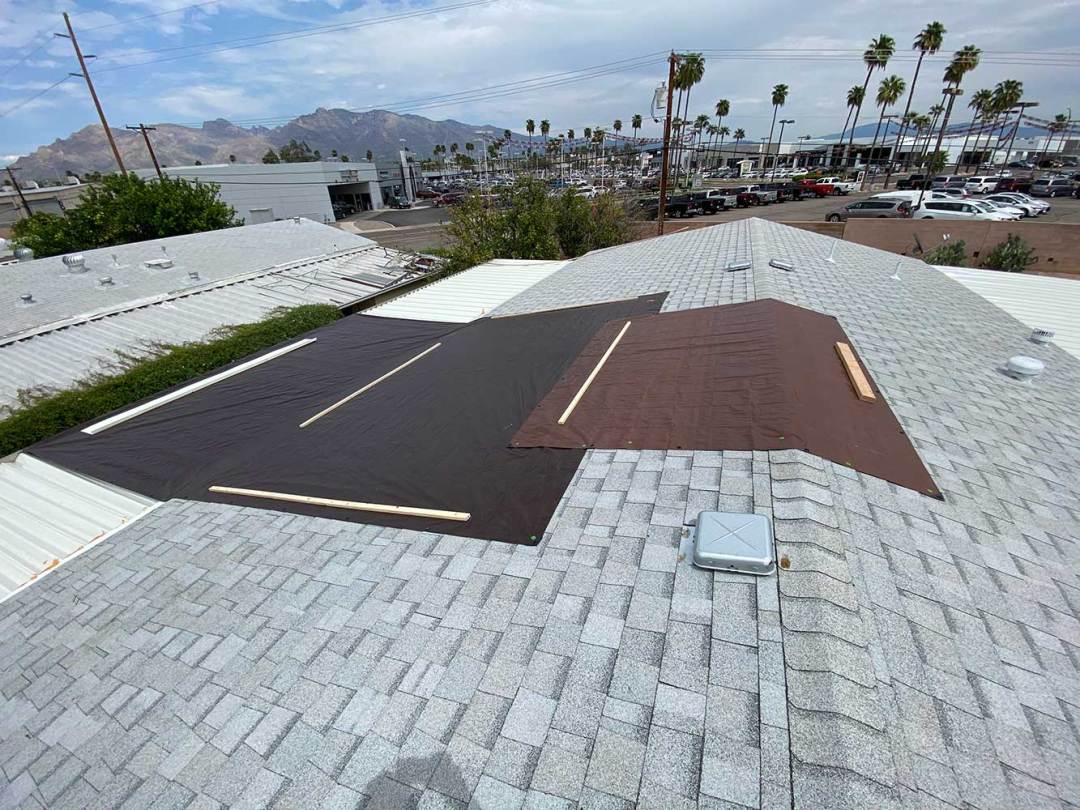
Mistake 1: Thinking society insurance protects your flat interiors. Many housing societies insure the building structure and common areas. That may not protect your furniture, appliances, false ceiling, personal electronics, or renovation work.
Mistake 2: Buying health insurance after illness spreads. Some benefits have waiting periods. If you wait until dengue cases rise in your area, you may not get the protection you expect for immediate needs.
Mistake 3: Ignoring renters. Tenants often assume home insurance is only for owners. Renters can still insure personal belongings such as laptops, beds, wardrobes, kitchen equipment, and electronics.
Mistake 4: Not checking basement parking rules. If your building basement floods every year, ask the society about pumps, drainage, emergency power, and past claims. Insurers may ask where the vehicle was parked and how the damage happened.
Mistake 5: Missing digital proof. A claim is easier when you have policy copies, photos, invoices, repair estimates, medical papers, and bank details ready. Use simple folders in cloud storage. If you want tools to organise reminders and documents, this list of 11 Best AI Productivity Tools in 2026 for Work, Study, and Software Teams may help you build a cleaner document system.
FAQ
What is the monsoon forecast for India in 2026?
The official all-India monsoon forecast for 2026 should be checked from IMD when it is released, usually before the southwest monsoon season. Do not make insurance decisions only after the forecast, because local flooding can happen even in an average rainfall year.
What is included in a pre-monsoon insurance check?
A good pre-monsoon check includes policy validity, flood and storm coverage, exclusions, deductibles, add-ons, sum insured, claim process, hospital network, garage network, and emergency contacts. You should also photograph assets and keep purchase bills for valuable items.
What are the 7 common types of insurance in India?
The seven common types are life insurance, health insurance, motor insurance, home or property insurance, travel insurance, personal accident insurance, and crop or business insurance. For monsoon planning, home, motor, health, and personal accident insurance usually need the closest review.
What is a weather insurance policy?
A weather insurance policy pays based on a defined weather event, such as excess rainfall, low rainfall, high temperature, or wind speed, depending on the policy wording. It is often used by farmers, event organisers, and some businesses, but it is different from normal home or motor insurance.
Does home insurance cover seepage during monsoon?
Not always. Sudden flood or storm damage may be covered if listed in the policy, but long-term dampness, poor maintenance, construction defects, and gradual seepage are often excluded. Read the policy wording before you assume seepage is covered.
Should I buy only third-party car insurance for monsoon?
No. Third-party insurance is legally required, but it does not pay for damage to your own car. For Monsoon 2026, choose comprehensive car insurance with engine protection if your area has waterlogging risk.
Final Recommendation
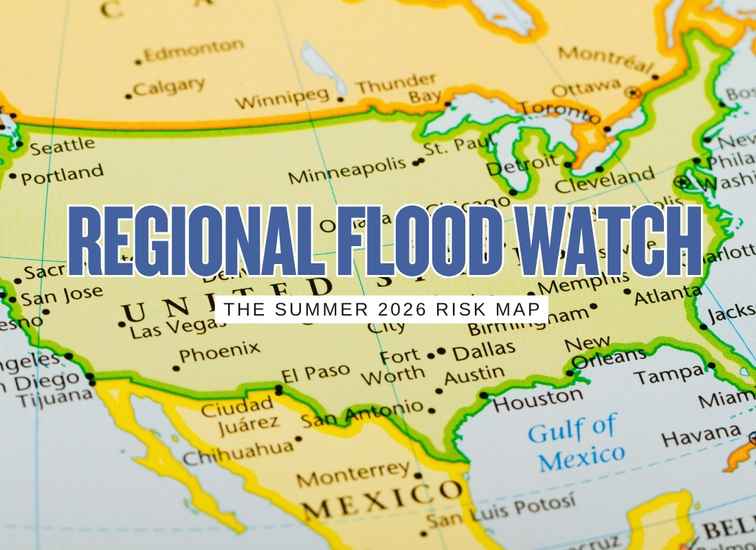
For Monsoon 2026, take a firm approach: keep comprehensive motor insurance with engine protect, home insurance with contents cover, active health insurance with a strong cashless network, and a personal accident policy if your family depends on your income. Do this before the rains begin, save proof of your assets, and keep claim documents ready, because the best monsoon insurance plan is the one that pays quickly when the water rises.

*Affiliate link — we may earn a small commission at no extra cost to you.
Career growth columnist with 7 years covering India's job market, salary benchmarks, and upskilling trends. Former HR consultant. His practical advice has been cited by Naukri.com and LinkedIn India.